


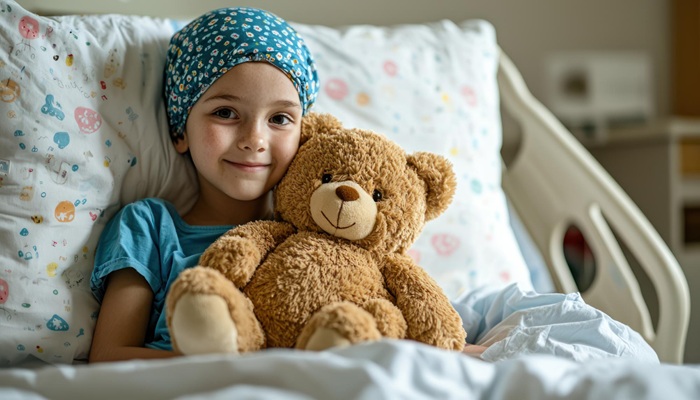
A pediatric brain tumor is an abnormal growth of cells in or around the brain. As the tumor grows, it can press against surrounding brain tissue, disrupting normal brain function and causing symptoms such as headaches, nausea, vomiting, vision problems, and balance difficulties.
There are many different types of pediatric brain tumors. Some grow rapidly, while others develop more slowly. In addition, some tumors are malignant (cancerous), whereas others are benign (non-cancerous). Therefore, every child requires a thorough evaluation to determine the type of tumor and the most appropriate treatment plan.
At Mandaya Royal Hospital Puri, pediatric brain tumors are managed through a comprehensive multidisciplinary approach. When surgery is required, patients can be treated by Dr. dr. Mardjono Joy Tjahjadi, Sp.BS, Subsp. N-Vas, F. N-Onk, PhD, FICS, IFAANS (Dr. Joy), a neurosurgeon with extensive experience in treating brain tumors in both children and adults. If systemic therapy is needed, such as chemotherapy, targeted therapy, or immunotherapy, treatment is provided by dr. Ludi Dhyani Rahmartani, Sp.A, Subsp. H.Onk (K), a pediatric hematology-oncology specialist.

Contents
Common Types of Pediatric Brain Tumors
The types of brain tumors commonly found in children differ from those seen in adults. For example, medulloblastomas and ependymomas are more common in children, while meningiomas occur more frequently in adults. These differences require treatment strategies that are specifically tailored to pediatric patients.
Some of the most common primary brain tumors in children and adolescents aged 0–19 years include:
- Pituitary tumors
- Pilocytic astrocytomas, which arise from supporting brain cells (glial cells) and usually grow slowly.
- Other gliomas, a group of tumors that also develop from glial cells but vary in their characteristics.
In addition to differences in tumor type, pediatric brain tumors often have unique genetic and biological characteristics compared with adult brain tumors. These differences may influence treatment choices, response to therapy, and overall management. Because a child’s brain is still developing, physicians also consider the long-term effects of treatment to ensure effective care while preserving quality of life.
Signs and Symptoms of Pediatric Brain Tumors
The symptoms of pediatric brain tumors vary depending on the tumor’s size, type, and location within the brain. Symptoms may occur when the tumor presses on nerves or specific areas of the brain, causes swelling, or interferes with the normal flow of fluid inside the skull.
Parents should pay close attention to symptoms, particularly if they become more frequent or progressively worsen over time.
Common signs and symptoms include:
- Headaches, especially those that are worse in the morning.
- Nausea or vomiting without an obvious cause.
- Changes in speech, vision, or hearing.
- Difficulty with balance or walking.
- Changes in mood, personality, or ability to concentrate.
- Memory problems.
- Seizures or involuntary muscle jerking.
- Numbness or tingling in the arms or legs.
If your child experiences one or more of these symptoms, especially if they persist or become more severe, consult a doctor promptly. Early evaluation can help identify the underlying cause and allow timely treatment if a brain tumor is present.
Causes and Risk Factors of Pediatric Brain Tumors
The exact cause of pediatric brain tumors remains unknown. However, these tumors develop when brain cells undergo DNA mutations that cause them to grow and divide uncontrollably. The abnormal cells accumulate to form a tumor, which may press on surrounding brain tissue and interfere with normal brain function. In some cases, these genetic changes can also cause the tumor to become cancerous.
Although the exact cause is unknown, several factors may increase the risk of developing a pediatric brain tumor, including:
- Younger age, particularly children under 5 years old.
- Previous radiation therapy to the head.
- A weakened immune system due to illness or medications that suppress immune function.
- Inherited genetic conditions such as neurofibromatosis type 1 and type 2, tuberous sclerosis, Gorlin syndrome, Turcot syndrome, and Cowden syndrome.
Having one or more of these risk factors does not necessarily mean a child will develop a brain tumor. However, parents should remain vigilant and seek medical evaluation if symptoms suggestive of a brain tumor appear.
Pediatric Brain Tumor Treatment Options at Mandaya Royal Hospital Puri
Treatment for pediatric brain tumors depends on the tumor type, location, size, degree of malignancy, and the child’s overall health. A multidisciplinary approach is often necessary to provide the most appropriate and comprehensive care. At Mandaya Royal Hospital Puri, treatment options range from brain tumor surgery to systemic therapies such as chemotherapy, targeted therapy, and immunotherapy.
1. Pediatric Brain Tumor Surgery with Dr. Joy
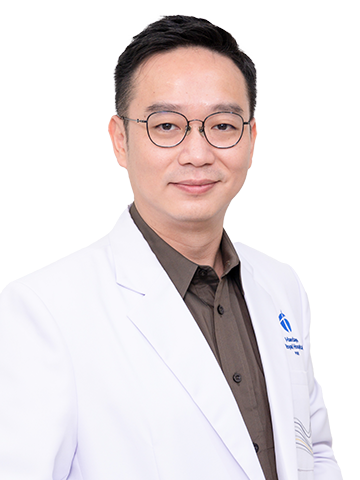
In many cases, surgery is the primary treatment to remove the tumor, relieve pressure within the brain, and obtain tissue for pathological examination. Brain tumor surgery at Mandaya Royal Hospital Puri is performed by Dr. dr. Mardjono Joy Tjahjadi, Sp.BS, Subsp. N-Vas, F. N-Onk, PhD, FICS, IFAANS (Dr. Joy), a neurosurgeon experienced in treating a wide variety of brain tumors.
The surgical approach is tailored to the tumor’s location, size, and characteristics, with the goal of achieving the best possible outcome while preserving neurological function.
Patients wishing to consult Dr. Joy at Mandaya Royal Hospital Puri may visit during the following schedule:
- Monday: By appointment
- Tuesday: 2:00 PM – 5:00 PM
- Wednesday: By appointment
- Thursday: 8:00 AM – 12:00 PM
- Friday: 2:00 PM – 5:00 PM
- Saturday: 8:00 AM – 12:00 PM
2. Systemic Therapy for Pediatric Brain Tumors with Dr. Ludi
In addition to surgery, some pediatric brain tumors require systemic therapy, which uses medications that travel through the bloodstream to reach tumor cells throughout the body. Systemic treatment options include chemotherapy, targeted therapy, and immunotherapy, depending on the tumor type and the patient’s condition.
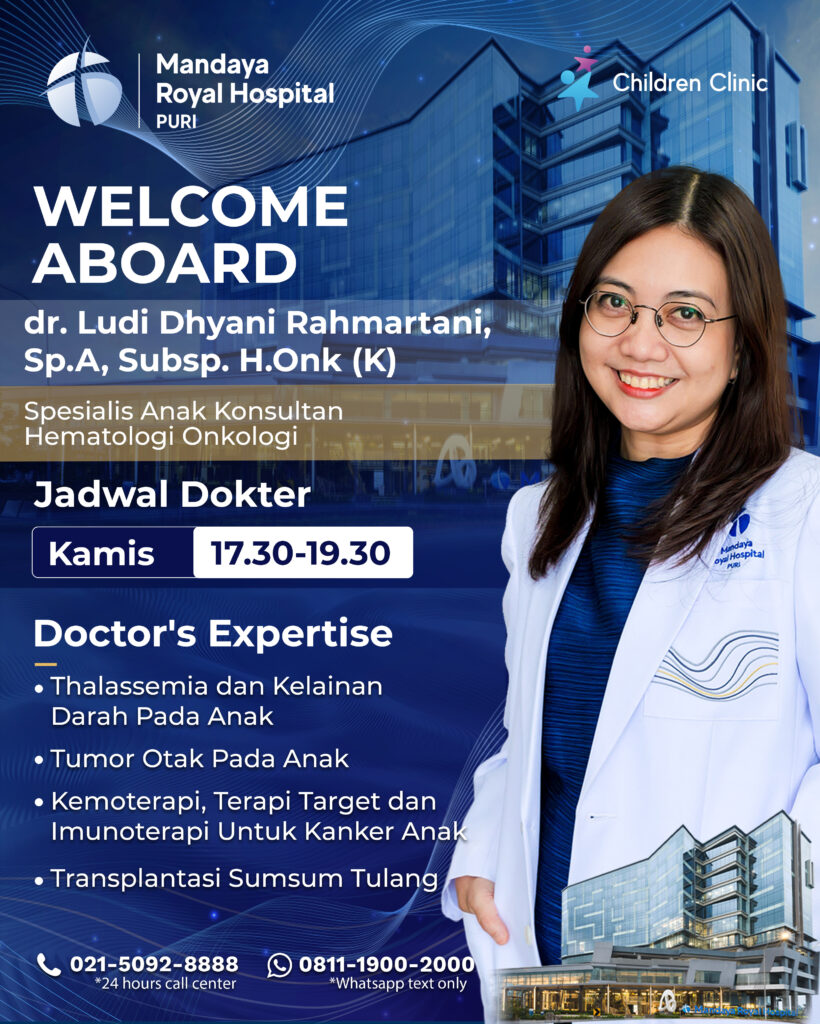
At Mandaya Royal Hospital Puri, systemic therapy is provided by dr. Ludi Dhyani Rahmartani, Sp.A, Subsp. H.Onk (K), a pediatric hematology-oncology specialist. She performs comprehensive evaluations to determine the most appropriate treatment based on the diagnosis, tumor characteristics, and each child’s individual needs.
Dr. Ludi is available for consultation at Mandaya Royal Hospital Puri on:
- Thursday: 5:30 PM – 7:30 PM
To make your visit to Mandaya Royal Hospital Puri more convenient, you can contact us via WhatsApp, book an appointment online, or download the Care Dokter application from Google Play or the App Store to schedule appointments, monitor queue numbers, and access additional hospital information.
The information provided on this page is intended for educational purposes and general information only. It does not represent the complete range of medical services that may be provided by each physician. To receive treatment tailored to your specific condition, please consult the appropriate doctor directly.
If you have any questions, suggestions, or require additional information, please contact our call center at 0811-1900-2000.

References
- Mayo Clinic. Pediatric Brain Tumor – Symptoms and Causes. https://www.mayoclinic.org/diseases-conditions/pediatric-brain-tumor/symptoms-causes/syc-20361694
- Brain Tumor Network. Pediatric Brain Tumors. https://braintumor.org/brain-tumors/about-brain-tumors/pediatric-brain-tumors/
- Children’s Hospital of Philadelphia. Pediatric Brain Tumors. https://www.chop.edu/conditions-diseases/pediatric-brain-tumors