



Conventional coronary artery bypass surgery is generally performed by opening the breastbone and temporarily stopping the patient’s heartbeat during the procedure. In this situation, the heart’s function and blood circulation are supported by a heart-lung bypass machine, allowing surgeons to attach bypass grafts with greater stability and precision. For some people, the idea of having the heart “temporarily stopped” may sound frightening.
However, advances in cardiac surgery technology now make it possible to perform coronary bypass surgery using the Minimally Invasive Cardiac Surgery (MICS) method. Unlike conventional bypass surgery, MICS does not require the patient’s heart to be temporarily stopped and is performed through a small incision of approximately 5 cm between the ribs without opening the breastbone. Using specialized techniques and heart stabilizing devices, surgeons are still able to perform the bypass procedure while the heart continues beating.
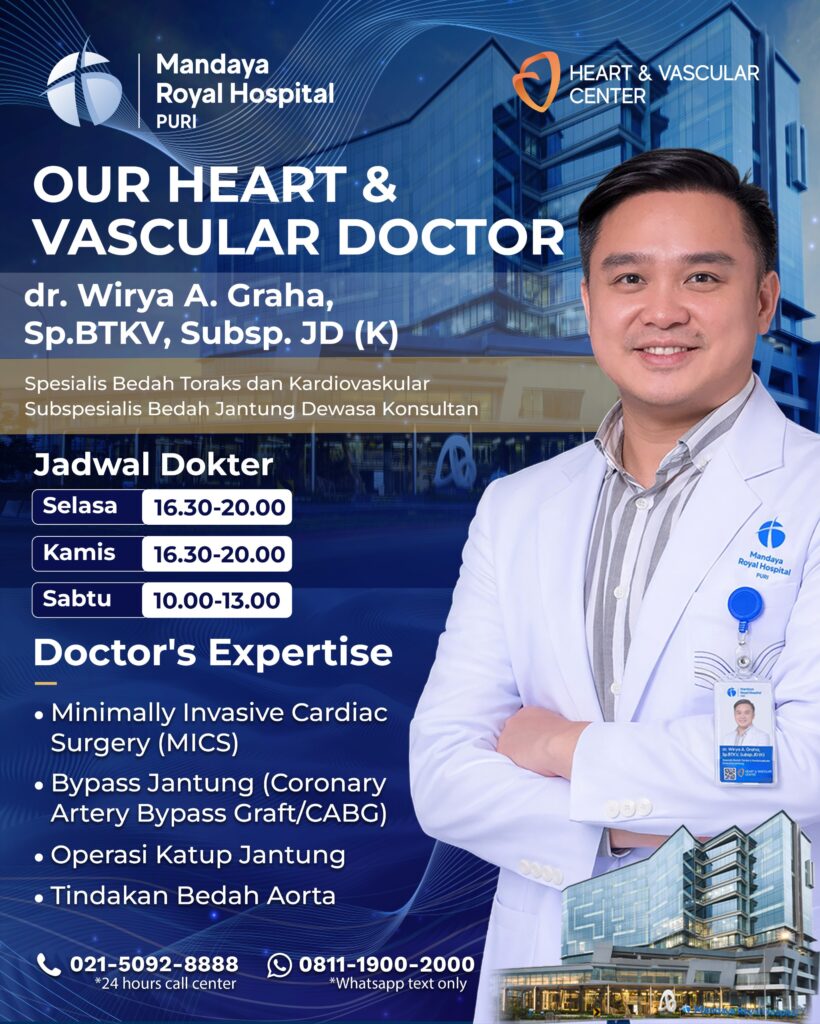
Mandaya Royal Hospital Puri provides MICS coronary bypass surgery performed directly by dr. Wirya A. Graha, Sp.BTKV, Subsp. JD (K), a thoracic, cardiovascular, and vascular surgeon with a subspecialty in adult cardiac surgery who specializes in minimally invasive heart surgery procedures. This minimally invasive approach has become one of the modern treatment options for patients who require coronary bypass surgery with smaller surgical wounds and faster recovery.

Contents
Differences Between MICS and Conventional Coronary Bypass Surgery
Both MICS coronary bypass surgery and conventional coronary bypass surgery aim to restore blood flow to the heart that has been disrupted by narrowed or blocked coronary arteries, commonly caused by coronary artery disease. The main difference lies in the surgical technique used to access the heart.
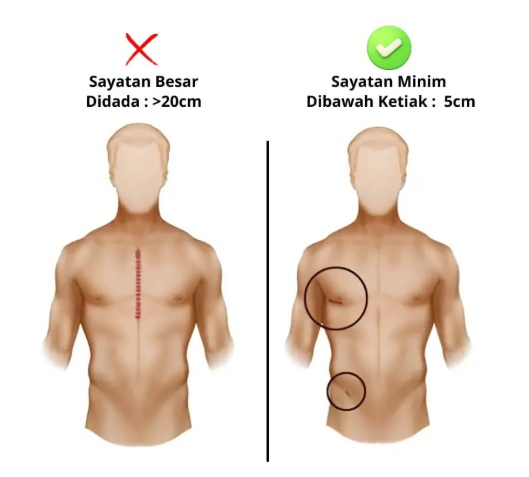
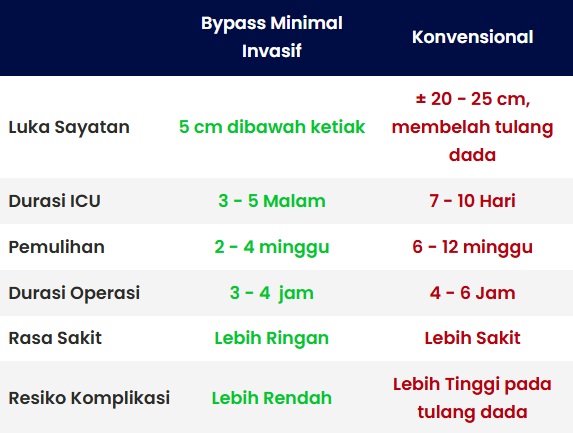
In conventional coronary bypass surgery, surgeons usually need to open the breastbone to directly access the heart. Meanwhile, the MICS approach is performed through a small incision of approximately 5 cm between the ribs without sternotomy. Because the incision is smaller, this method is considered less invasive compared to conventional bypass surgery.
MICS coronary bypass surgery offers several potential advantages, including:
- Shorter recovery time, allowing most patients to return to daily activities within approximately 2–4 weeks
- Less postoperative pain
- Smaller surgical scars
- Reduced physical and emotional trauma related to surgery
- Shorter hospital stays
- Better early recovery of lung function
- Lower risks of bleeding and infection
Although MICS offers various advantages, this method may not be suitable for all patients. In more complex or severe heart conditions, conventional bypass surgery may still be the safest and most effective option. Therefore, doctors will conduct a comprehensive evaluation before determining the most appropriate surgical approach for each patient.
Who Can Undergo MICS Coronary Bypass Surgery?
MICS coronary bypass surgery may be considered for patients who:
- Have coronary artery disease caused by narrowed or blocked coronary arteries
- Require bypass surgery using a minimally invasive technique without major sternotomy
- Prefer a faster recovery process compared to conventional surgery
- Have undergone medical evaluation and are considered suitable candidates by a cardiac surgeon
When Should You Consult a Doctor?
Coronary bypass surgery is generally performed in patients with coronary artery disease that has caused severe narrowing or blockage of the heart’s blood vessels. Therefore, you are advised to consult a doctor immediately if you experience symptoms related to heart disease, especially if the symptoms occur repeatedly, worsen over time, or begin to interfere with daily activities.
Some symptoms of coronary artery disease that should not be ignored include:
- Chest pain or angina that feels like pressure, tightness, heaviness, or squeezing
- Chest pain triggered by physical activity or emotional stress
- Pain spreading to the shoulders, arms, neck, jaw, back, or upper abdomen
- Shortness of breath or difficulty breathing
- Unusual fatigue without clear cause
- Cold sweats
- Nausea or discomfort in the upper abdomen
- Sudden dizziness or lightheadedness
In some individuals, especially women, older adults, and people with diabetes, symptoms of heart disease may appear atypical. Symptoms can include nausea, brief pain in the neck or back, or unusual fatigue. Some patients may even experience a heart attack without clear warning signs beforehand.
Seek immediate medical attention if you experience sudden chest pain, severe shortness of breath, or symptoms suspected to be related to a heart attack so that treatment can be provided as quickly as possible.
Interested in Consulting About MICS Coronary Bypass Surgery? Visit dr. Wirya at RS Mandaya Puri
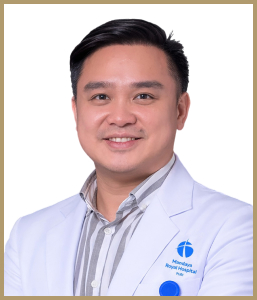
dr. Wirya A. Graha is a thoracic, cardiac, and vascular surgeon with a subspecialty in adult cardiac surgery. He completed his Thoracic and Cardiovascular Surgery specialist training at the Faculty of Medicine, Universitas Indonesia, and has experience handling various cardiac and vascular surgical procedures.
In his clinical practice, dr. Wirya performs hundreds of heart surgeries each year, including various minimally invasive cardiac procedures using small-incision techniques. His experience includes minimally invasive coronary bypass surgery as well as heart valve surgery using similar approaches.
dr. Wirya’s expertise in MICS allows surgery to be performed without fully opening the breastbone. This approach may provide several benefits to patients, including less postoperative pain, lower complication risks, and faster recovery compared to conventional heart surgery.
In addition to MICS coronary bypass surgery, dr. Wirya also performs various other procedures, including heart valve surgery, aortic surgery, and other thoracic and cardiovascular procedures. He is also a member of the Ikatan Dokter Indonesia and is committed to providing safe, professional, and patient-oriented cardiac surgical care.
dr. Wirya A. Graha is available at Mandaya Royal Hospital Puri on:
- Tuesday: 4:30 PM – 8:00 PM
- Thursday: 4:30 PM – 8:00 PM
- Saturday: 10:00 AM – 1:00 PM
To make your visit to Mandaya Royal Hospital Puri more convenient, you can use the WhatsApp Chat feature, Book Appointment service, or the Care Dokter application available on Google Play and the App Store to schedule visits, check queue numbers, and access other important information.
The information provided on this page is intended for educational and general informational purposes only and may not represent the full scope of medical services available from each doctor. To ensure appropriate treatment according to your health condition, direct consultation with the relevant doctor is recommended.
If you have questions, suggestions, or require further information, please contact our call center at 0811-1900-2000.