


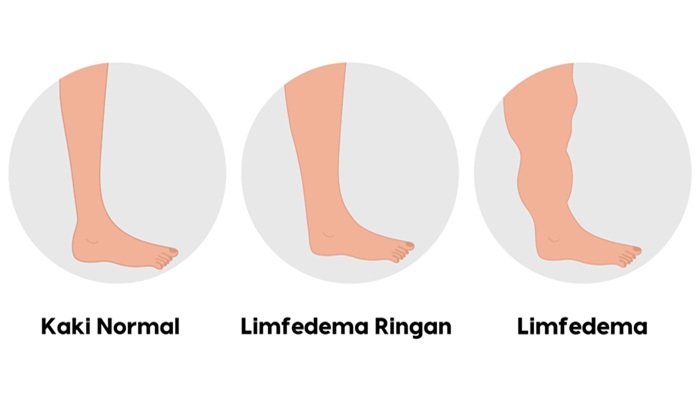
Swelling after surgery is actually a common part of the body’s healing process. In most cases, the swelling gradually improves within a few days or weeks depending on the type of surgery performed. However, if the swelling does not go away, continues to enlarge, or feels heavy, it may be a sign of lymphedema. Lymphedema is a condition characterized by swelling caused by disruption of the lymphatic system, a network of vessels and glands responsible for transporting lymph fluid and supporting the immune system. This condition can occur after breast cancer surgery, orthopedic procedures, injury, trauma, or other medical treatments that affect the lymphatic vessels.
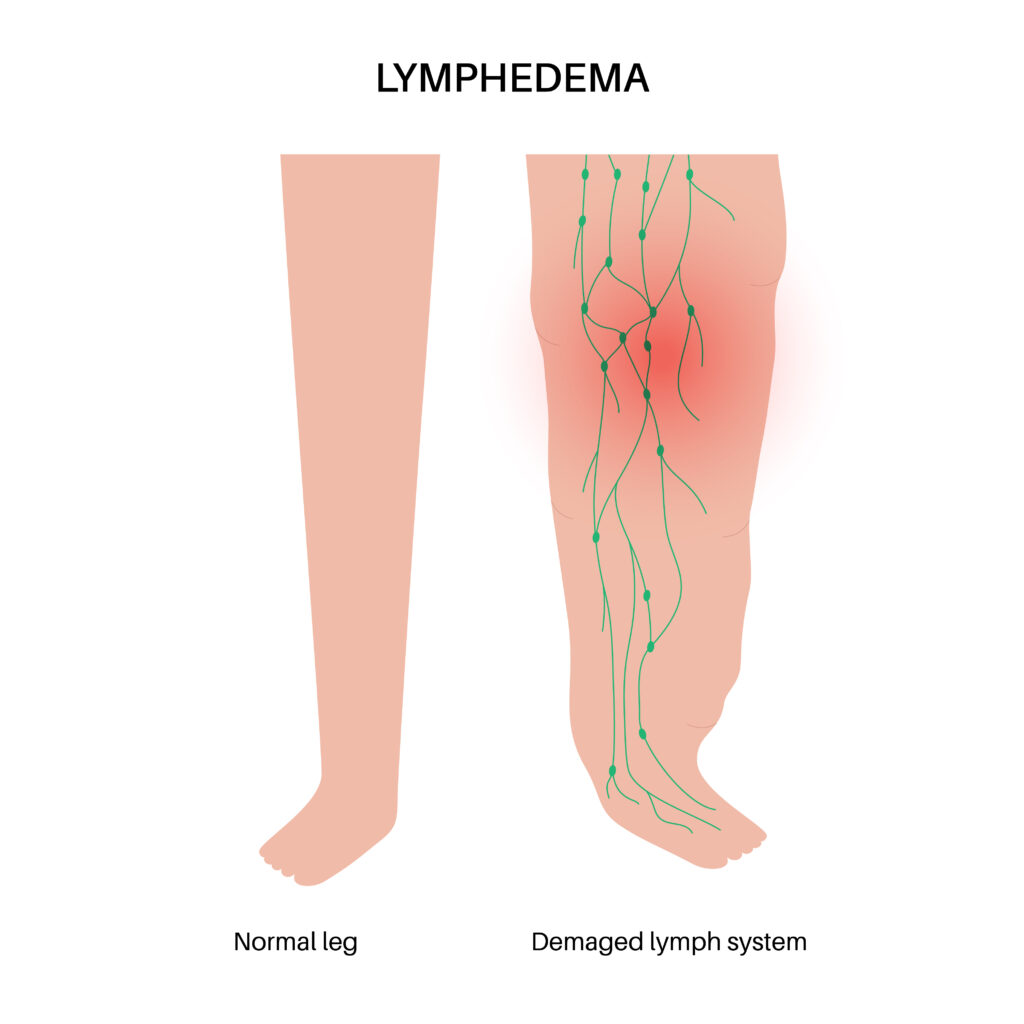
Lymphedema should not be underestimated because it can lead to various complications if left untreated. Long-term buildup of lymph fluid may cause the affected area to feel heavy, painful, stiff, and difficult to move. In addition, the swollen area becomes more vulnerable to recurrent infections, wounds, skin thickening, and even changes in limb shape. In some cases, untreated lymphedema can interfere with daily activities and reduce a patient’s quality of life.
If you experience swelling after surgery that does not improve, you can visit the Lymphedema Center at RS Mandaya Royal Puri. This center provides comprehensive lymphedema treatment options, ranging from lymphatic bypass surgery and rehabilitation using compression devices to manual lymphatic drainage (MLD). The center is supported by reconstructive and aesthetic plastic surgeons with subspecialty expertise in microsurgical reconstruction and oncoplasty, rehabilitation medicine specialists, and certified nurses experienced in comprehensive lymphedema care.
Contents
When should you see a doctor if swelling does not go away after surgery?
Swelling after surgery may improve on its own as the body recovers. However, you should be cautious if the swelling persists for a long time, becomes larger, or is accompanied by symptoms that interfere with daily activities. These may be signs of lymphedema that require further medical attention. Therefore, recognizing the symptoms of lymphedema early is important so treatment can be started before the condition worsens.
The most common symptom of lymphedema is swelling. This swelling can develop gradually, making it difficult to notice in the early stages. However, in some cases, swelling caused by lymphedema may also appear suddenly. Other symptoms of lymphedema include:
- Veins or tendons in the hands and feet become difficult to see or feel
- One arm or leg appears slightly larger than the other
- Joints feel stiff or difficult to move
- The skin appears swollen or reddish
- Swelling occurs in the arms, legs, or other areas of the body
- Arms, legs, or certain body parts feel heavy and full
- Clothes or jewelry feel tighter than usual
- Burning or itching sensations on the skin
- The skin becomes thicker than normal
Make an appointment with a doctor if you experience persistent swelling in your arms or legs. If you have already been diagnosed with lymphedema, seek medical attention immediately if the swollen limb suddenly increases significantly in size.
You can also consult with dr. Sara Ester Triatmoko, Sp.B.P.R.E., Subsp.M.O. (K), a reconstructive and aesthetic plastic surgeon with subspecialty expertise in microsurgical reconstruction and oncoplasty at RS Mandaya Royal Puri. She will evaluate your condition thoroughly and determine the most appropriate treatment based on your specific needs.
Causes of persistent swelling after surgery
Below are some of the most common causes of lymphedema:
1. Breast cancer surgery
Breast cancer surgery can lead to lymphedema, especially if the procedure involves removing lymph nodes in the armpit area. This may disrupt the flow of lymph fluid from the arm back to the body, causing fluid buildup and swelling. In addition to surgery, treatments such as radiotherapy may also increase the risk of lymphatic system damage.
2. Gynecologic surgery
Gynecologic procedures, such as surgery for uterine cancer or cervical cancer, can also trigger lymphedema. Cancer surgeries often involve removing lymph nodes in the pelvic area, which may block lymphatic drainage from the legs and lead to swelling in the legs or pelvic region.
3. Orthopedic surgery
Certain orthopedic procedures, such as fracture surgery or knee replacement surgery, may damage lymphatic vessels around the surgical site. Inflammation and scar tissue formation after surgery can also interfere with lymphatic flow, causing prolonged swelling that may develop into lymphedema.
4. Injury or trauma
Injury or trauma can also damage the lymphatic system. Severe impacts, deep wounds, or accidents may injure lymphatic vessels and prevent lymph fluid from flowing properly. As a result, fluid accumulates in certain areas and causes persistent swelling.
Lymphedema treatment at the Lymphedema Center RS Mandaya Royal Puri
Lymphedema treatment at the Lymphedema Center of RS Mandaya Royal Puri is carried out comprehensively to help reduce swelling and improve impaired lymphatic flow.
1. Lymphatic bypass procedure
One of the lymphedema treatments available at RS Mandaya Royal Puri is lymphatic bypass surgery or Lymphaticovenular Anastomosis (LVA). This procedure helps address the buildup of lymph fluid that causes swelling in certain body areas.
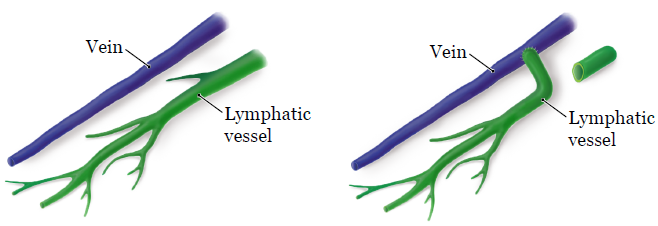
During the LVA procedure, the surgeon creates a new pathway by connecting damaged lymphatic vessels to small veins called venules. This allows lymph fluid to drain directly into the venous system, helping reduce fluid buildup and relieve swelling.
The lymphatic bypass procedure is performed using supermicrosurgery techniques, which require extremely high precision because the vessels involved are very small. To support surgical accuracy, doctors use the advanced Kinevo 900 surgical microscope for detailed visualization of lymphatic vessels and blood vessels.
Before surgery, the doctor maps the lymphatic vessels using contrast dye to identify areas with impaired flow. Once the problematic vessels are identified, the lymphatic vessels are precisely connected to venules.
2. Rehabilitation with compression devices
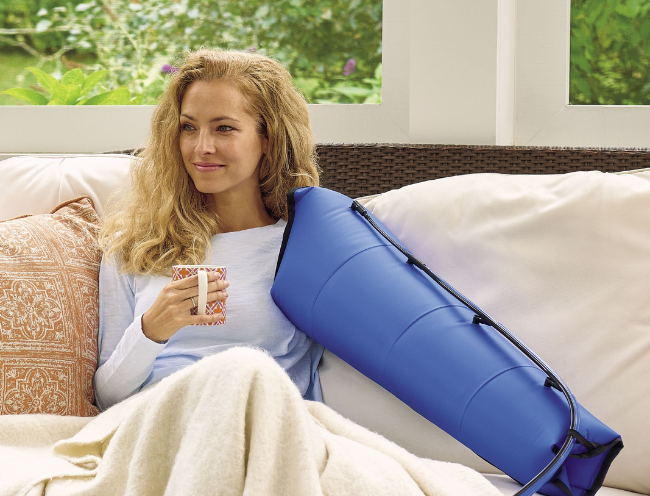
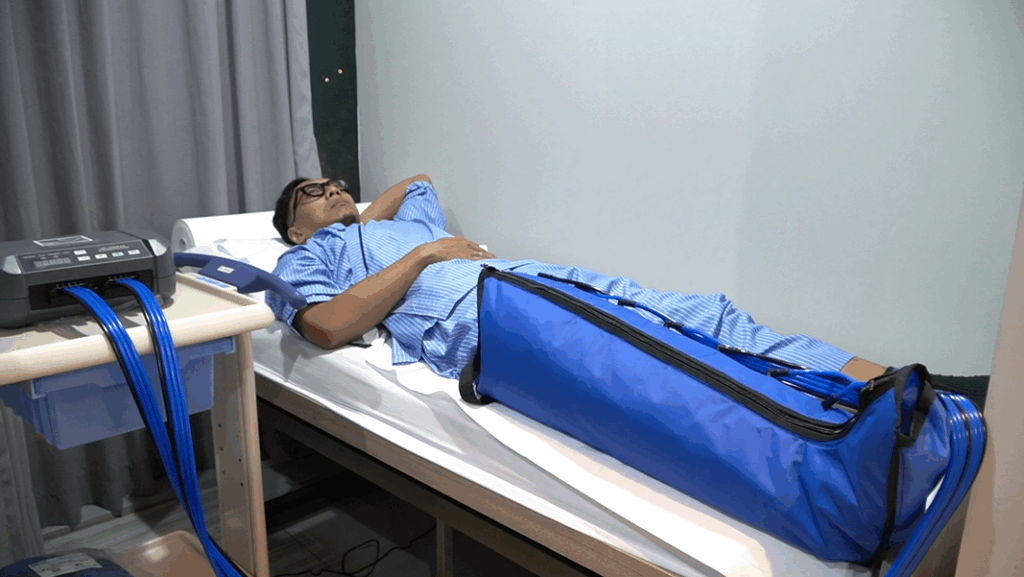
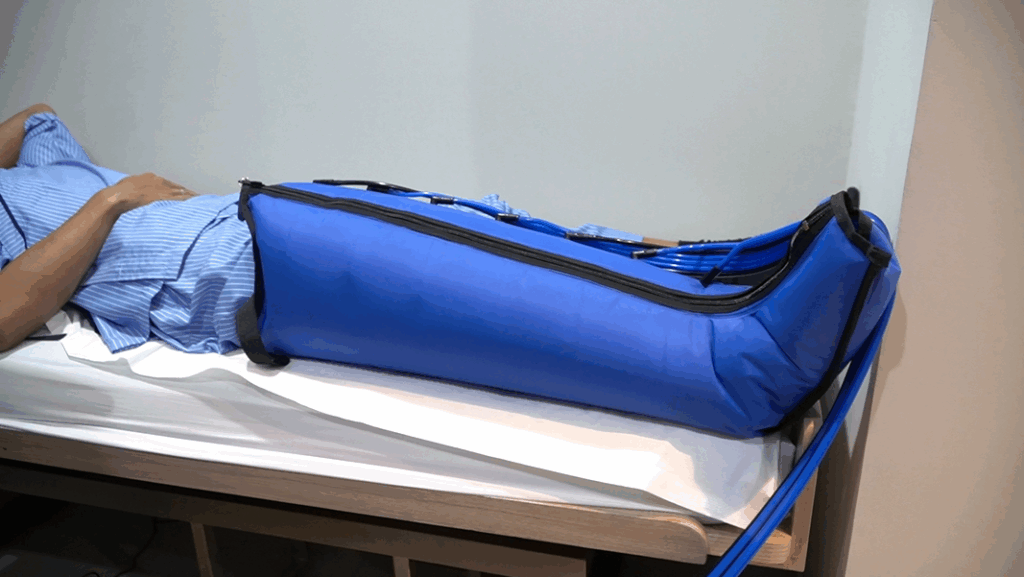
After undergoing lymphatic bypass surgery, patients may continue rehabilitation therapy to help optimize treatment outcomes and maintain smooth lymphatic flow.
One therapy used is compression devices, which are pneumatic pumps that apply alternating pressure to swollen body areas. The device is connected to a special sleeve worn on the patient’s arm or leg.
The pressure generated by the device helps keep lymph fluid moving through the lymphatic vessels and veins, reducing fluid buildup. In addition to relieving swelling, compression therapy may also help lower the risk of lymphedema complications and support the recovery process.
3. Manual lymphatic drainage (MLD)
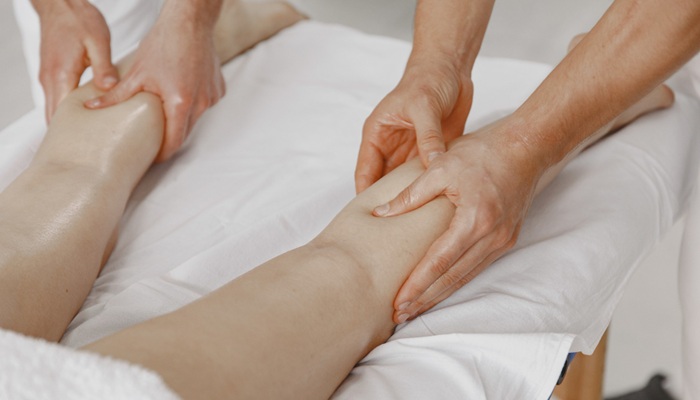
Lymphedema treatment services at RS Mandaya Royal Puri are also supported by certified physiotherapists experienced in performing manual lymphatic drainage (MLD). MLD is a specialized therapy technique designed to reduce swelling by directing excess lymph fluid from swollen areas to parts of the body with healthy lymphatic systems.
Through this technique, lymph fluid can be processed and eliminated naturally by the body more effectively. In addition to improving lymphatic flow, manual lymphatic drainage therapy can also enhance patient comfort during recovery.
Lymphedema Center doctors at RS Mandaya Royal Puri
In addition to advanced technology and comprehensive treatment methods, the Lymphedema Center at RS Mandaya Royal Puri is supported by a multidisciplinary team of experienced doctors who provide integrated lymphedema care.
1. dr. Sara Ester Triatmoko, Sp.B.P.R.E., Subsp.M.O. (K)
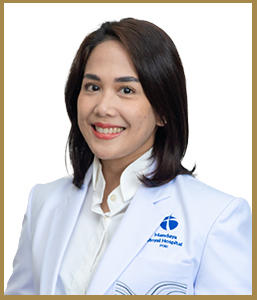
dr. Sara Ester Triatmoko, Sp.B.P.R.E., Subsp.M.O. (K) is a reconstructive and aesthetic plastic surgeon with subspecialty expertise in microsurgical reconstruction and oncoplasty. She performs various reconstructive procedures to help restore both body function and appearance after medical conditions or treatments.
Her expertise includes post-cancer reconstruction, tissue repair after trauma or injury, burn treatment, and correction of congenital abnormalities. Supported by precise microsurgical techniques, dr. Sara is able to reconstruct body structures and transfer tissue with high accuracy.
dr. Sara Ester Triatmoko, Sp.B.P.R.E., Subsp.M.O. (K) is available at RS Mandaya Royal Puri on:
- Tuesday: 5:00 PM – 7:30 PM WIB
- Thursday: 5:00 PM – 7:30 PM WIB
2. dr. Andre Sugiyono, Sp.KFR
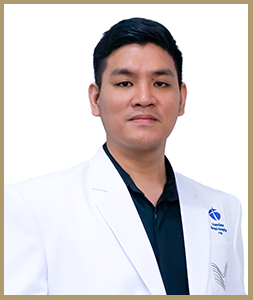
dr. Andre Sugiyono, Sp.KFR is a Physical Medicine and Rehabilitation specialist who completed his medical degree at Atma Jaya Catholic University and his specialist training at the University of Indonesia.
In daily practice, he handles various rehabilitation programs to help patients restore body function after certain medical conditions. His expertise includes electrotherapy, physiotherapy, hydrotherapy, and post-stroke rehabilitation.
dr. Andre Sugiyono, Sp.KFR is available at RS Mandaya Royal Puri on:
- Monday: 8:30 AM – 3:30 PM WIB
- Tuesday: 8:30 AM – 3:30 PM WIB
- Wednesday: 8:30 AM – 3:30 PM WIB
- Thursday: 8:30 AM – 3:30 PM WIB
- Friday: 8:30 AM – 3:30 PM WIB
- Saturday: 2:30 PM – 7:00 PM WIB
3. dr. Eugene Nathania, Sp.KFR
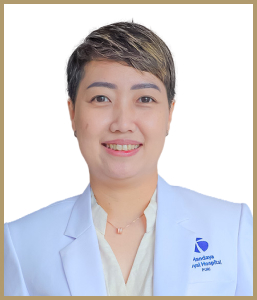
dr. Eugene Nathania, Sp.KFR is a Physical Medicine and Rehabilitation specialist who completed both medical school and specialist training at the University of Indonesia.
She is experienced in various rehabilitation therapies, including obstetric rehabilitation, taping, manual therapy, and dry needling. In addition, dr. Eugene has expertise in managing musculoskeletal pain and helping patients regain mobility and body function after injury or medical conditions.
dr. Eugene Nathania, Sp.KFR is available at RS Mandaya Royal Puri on:
- Monday: 8:00 AM – 2:00 PM WIB
- Tuesday: 8:00 AM – 2:00 PM WIB
- Wednesday: 8:00 AM – 2:00 PM WIB
- Thursday: 8:00 AM – 2:00 PM WIB
- Friday: 8:00 AM – 2:00 PM WIB
- Saturday: 8:00 AM – 2:00 PM WIB
4. dr. Johanes Putra, Sp.KFR

dr. Johanes Putra, Sp.KFR is a Physical Medicine and Rehabilitation specialist who completed his medical education at Atma Jaya University and specialist training at the University of Indonesia.
He specializes in musculoskeletal rehabilitation, particularly for disorders affecting muscles, bones, and joints. In addition, dr. Johanes is experienced in interventional pain management to help reduce patient discomfort more effectively.
dr. Johanes Putra, Sp.KFR is available at RS Mandaya Royal Puri on:
- Monday: 2:30 PM – 8:00 PM WIB
- Tuesday: 2:30 PM – 8:00 PM WIB
- Wednesday: 2:30 PM – 8:00 PM WIB
- Thursday: 2:30 PM – 8:00 PM WIB
- Friday: 2:30 PM – 8:00 PM WIB
- Saturday: 8:00 AM – 2:00 PM WIB
Lymphedema treatment at RS Mandaya Royal Puri is carried out through a multidisciplinary approach involving specialists from various fields, supported by trained and experienced nurses. This integrated approach aims to provide optimal lymphedema care tailored to each patient’s condition.
To make your visit to Mandaya Royal Hospital Puri more convenient, you can use the WhatsApp Chat feature, Book Appointment service, or the Care Dokter application available on Google Play and the App Store to simplify appointments, queue monitoring, and access to additional information.
*The information provided on this page is intended for educational and general informational purposes only and may not represent the full scope of medical services provided by each doctor. To ensure appropriate treatment based on your health condition, direct consultation with the relevant doctor is recommended.
If you have questions, suggestions, or need further information, please contact our call center at 0811-1900-2000.