

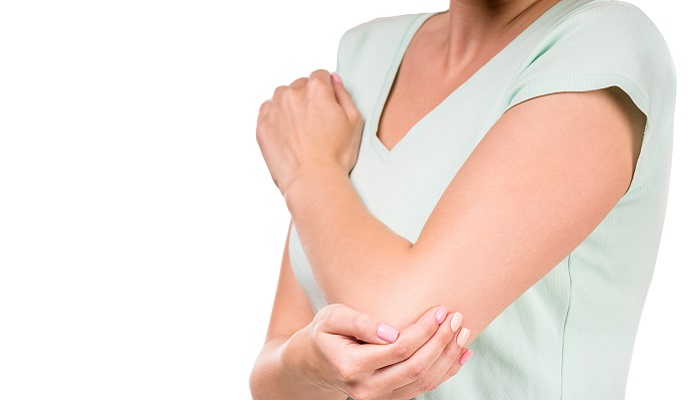
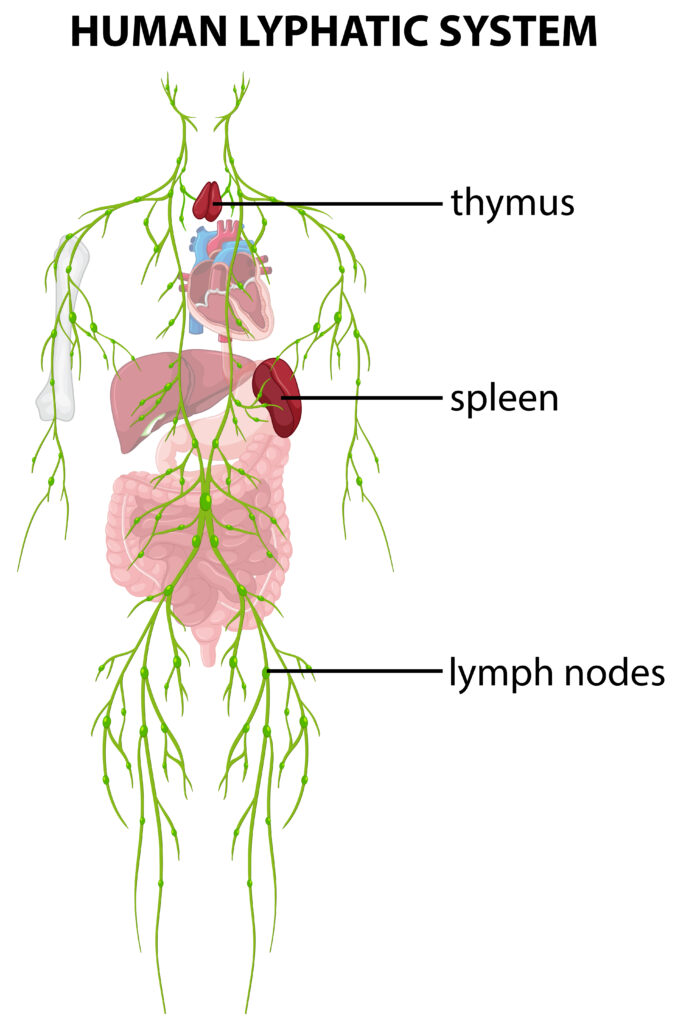
Lymphedema is a swelling condition that can occur in various parts of the body due to disorders of the lymphatic system. The lymphatic system functions to collect excess fluid, proteins, and waste products from the body’s cells and tissues before returning them to the bloodstream.
When the lymphatic system is disrupted, fluid can accumulate in body tissues and cause swelling. This condition most commonly affects the arms and legs, but it may also impact other areas of the body.
Mandaya Royal Hospital Puri presents a dedicated Lymphedema Center supported by a multidisciplinary team consisting of reconstructive and aesthetic plastic surgeons with subspecialties in microsurgical reconstruction and oncoplastic surgery, rehabilitation medicine specialists, and certified nurses experienced in lymphedema management.
Contents
Types and Severity Levels of Lymphedema
In general, lymphedema is divided into two types: primary lymphedema and secondary lymphedema.
Primary Lymphedema
Primary lymphedema occurs due to congenital abnormalities or inherited conditions that affect the development of the lymphatic system. This condition is relatively rare and may appear at different stages of life, such as:
- During infancy: Babies may be born with Milroy disease, a genetically inherited form of congenital lymphedema.
- During puberty, pregnancy, or up to age 35: A condition known as Meige disease or lymphedema praecox may develop during puberty, pregnancy, or early adulthood.
- After age 35: Another form called lymphedema tarda may appear later in life and typically causes swelling limited to the legs or feet.
Secondary Lymphedema
Secondary lymphedema occurs when the lymphatic system is damaged due to medical procedures or injuries, such as surgery, trauma, or radiation therapy. This condition is most commonly found in patients who have undergone breast cancer treatment. However, not all breast cancer patients will develop lymphedema.
Lymphedema is also categorized into several stages based on its severity:
- Stage 0: The affected area may feel heavy, tight, or swollen, but no visible swelling is present yet.
- Stage I: Swelling begins to appear but can still decrease or flatten when the swollen body part is elevated.
- Stage II: The affected area is almost always swollen, and the surrounding skin begins to feel firmer than other areas.
- Stage III: Swelling becomes severe and is usually accompanied by skin changes, including discoloration and texture changes.
Causes of Lymphedema
Lymphedema can occur due to disruption or damage to the lymphatic system. Some common causes include:
- Breast cancer surgery involving lymph node removal
- Pelvic surgery
- Radiation therapy that damages lymphatic tissue
- Injury or trauma
- Infection
- Obesity or excess body weight
- Lack of physical activity
- Tumors blocking lymphatic fluid flow
- Heart disorders such as heart failure
- Blood vessel disorders
- Kidney disease causing fluid buildup in the body
Symptoms of Lymphedema
The most common symptom of lymphedema is swelling, especially in the arms or legs. The swelling may develop gradually or suddenly. Other symptoms may include:
- Veins or tendons in the hands and feet becoming less visible
- Differences in arm or leg size
- Joint stiffness or difficulty moving
- Redness or swelling of the skin
- A feeling of heaviness or fullness in the limbs or other body parts
- Clothing or jewelry feeling tighter than usual
- Burning, soreness, or itching sensations on the skin
- Thickened or hardened skin
Lymphedema Treatments at the Lymphedema Center of Mandaya Royal Hospital Puri
Lymphedema treatment at the Lymphedema Clinic of Mandaya Royal Hospital Puri is performed through a comprehensive approach, ranging from lymphatic bypass procedures to rehabilitation therapy using compression devices and manual lymph drainage (MLD). Here are the available treatments:
1. Lymphatic Bypass Procedure
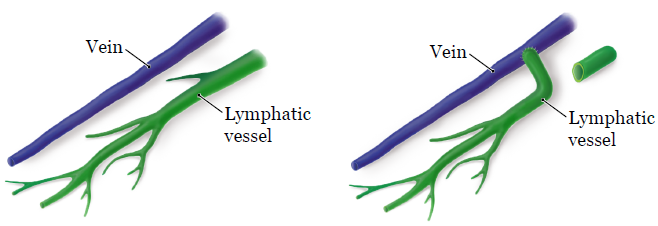
One of the treatments available at Mandaya Royal Hospital Puri is a lymphatic bypass procedure, also known as Lymphaticovenular Anastomosis (LVA). This procedure is intended for patients who already experience swelling due to impaired lymphatic fluid flow.
In this procedure, the doctor creates a new pathway by connecting damaged lymphatic vessels to tiny blood vessels called venules. This alternative route allows lymphatic fluid to drain directly into the venous system, helping reduce fluid buildup and swelling.
The lymphatic bypass procedure is performed using supermicrosurgery techniques that require extremely high precision. To support the procedure, doctors utilize the advanced Kinevo 900 microscope, which enables detailed visualization of very small blood vessels and lymphatic channels.
Before surgery, doctors map the lymphatic flow using contrast dye to identify the affected areas. Once the problematic vessels are located, the lymphatic vessels are carefully connected to the venules with precision.
2. Rehabilitation Using Compression Devices
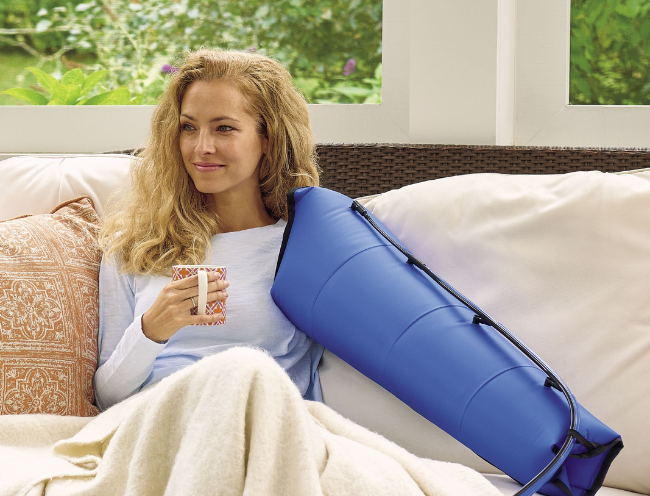
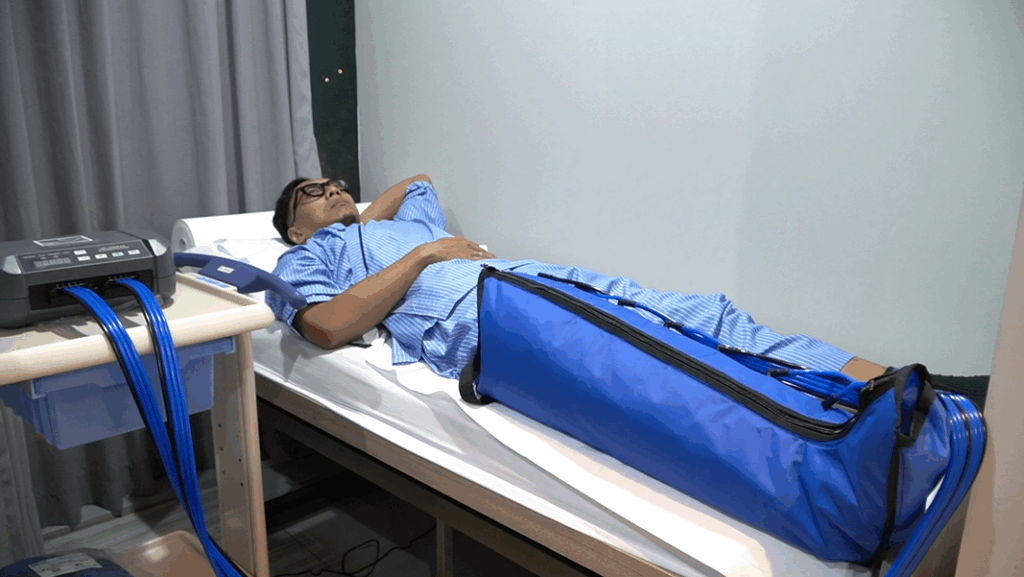
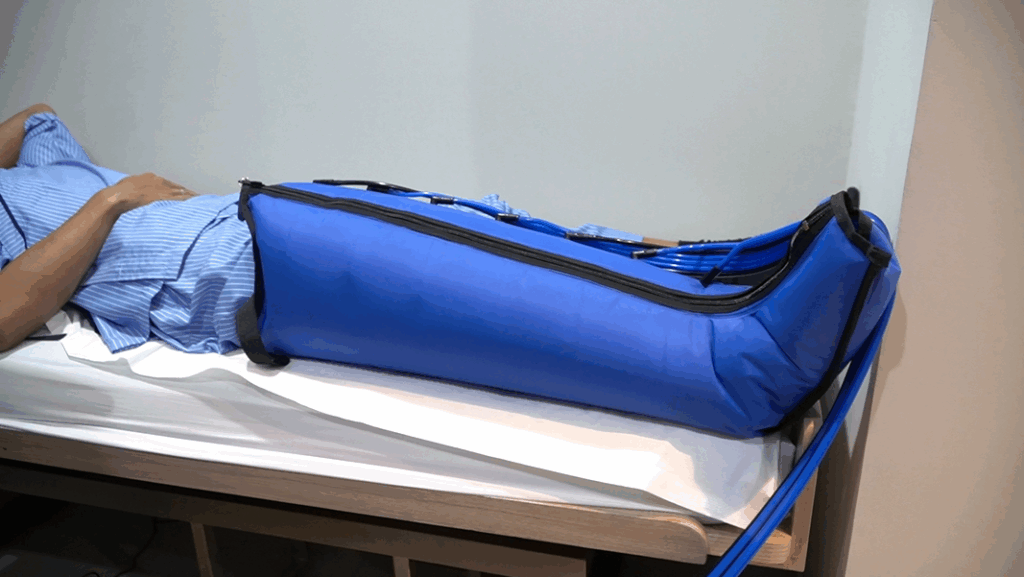
After undergoing a lymphatic bypass procedure, patients may continue therapy with the rehabilitation medicine team to help optimize treatment outcomes.
One of the therapies used is compression devices, which are pneumatic pumps designed to apply alternating pressure to swollen body areas.
The device is connected to a special sleeve placed on the patient’s arm or leg. The generated pressure helps keep lymphatic fluid moving through the lymphatic and venous vessels, preventing fluid accumulation.
In addition to reducing swelling, compression pump therapy may also help lower the risk of lymphedema complications and support overall patient recovery.
3. Manual Lymph Drainage (MLD)
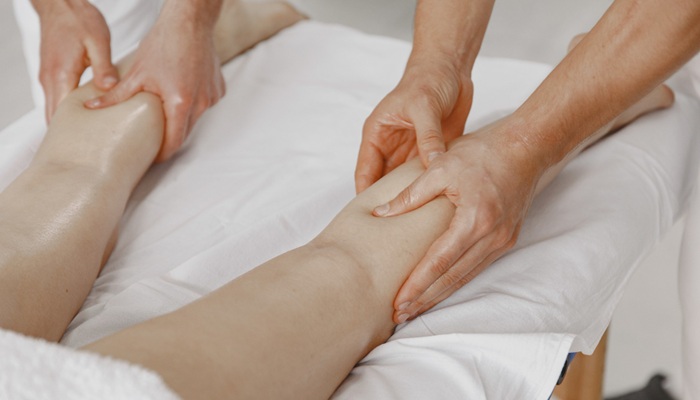
The physiotherapy services at Mandaya Royal Hospital Puri are also supported by certified physiotherapists experienced in performing manual lymph drainage (MLD) for lymphedema patients.
MLD is a specialized therapy technique aimed at reducing swelling by redirecting excess lymphatic fluid from swollen areas to other body regions with healthy lymphatic systems.
Through this technique, lymphatic fluid can be processed and eliminated by the body more effectively. Manual lymph drainage therapy may also improve patient comfort and support smoother lymphatic circulation following lymphedema treatment.
Lymphedema Center Medical Team at Mandaya Royal Hospital Puri
In addition to advanced technology and comprehensive treatment options, the Lymphedema Center at Mandaya Royal Hospital Puri is supported by a multidisciplinary medical team specializing in lymphedema management.
1. dr. Sara Ester Triatmoko, Sp.B.P.R.E., Subsp.M.O. (K)
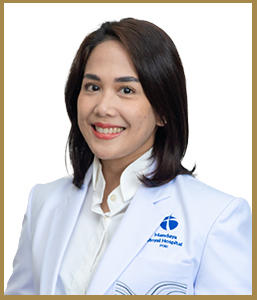
dr. Sara Ester Triatmoko, Sp.B.P.R.E., Subsp.M.O. (K) is a reconstructive and aesthetic plastic surgeon with subspecialties in microsurgical reconstruction and oncoplastic surgery. In her practice, she performs various reconstructive procedures to help restore both function and body form after certain medical conditions.
Her treatments include post-cancer reconstruction, tissue repair due to injury or trauma, burn treatment, and correction of congenital abnormalities. Supported by precise microsurgical techniques, these procedures help repair body structures, transfer tissue, and improve patients’ overall quality of life.
dr. Sara Ester Triatmoko, Sp.B.P.R.E., Subsp.M.O. (K) is available at Mandaya Royal Hospital Puri on:
- Tuesday: 5:00 PM – 7:30 PM WIB
- Thursday: 5:00 PM – 7:30 PM WIB
2. dr. Andre Sugiyono, Sp.KFR
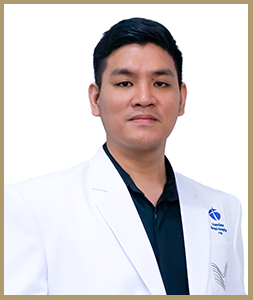
dr. Andre Sugiyono, Sp.KFR is a Physical Medicine and Rehabilitation specialist practicing at Mandaya Royal Hospital Puri. He completed his medical degree at Atma Jaya Catholic University and continued his specialist training at the University of Indonesia.
In his daily practice, dr. Andre handles various rehabilitation programs to help patients restore body function after experiencing certain medical conditions. His expertise includes electrotherapy, physiotherapy, hydrotherapy, and post-stroke rehabilitation.
dr. Andre Sugiyono, Sp.KFR is available at Mandaya Royal Hospital Puri on:
- Monday: 8:30 AM – 3:30 PM WIB
- Tuesday: 8:30 AM – 3:30 PM WIB
- Wednesday: 8:30 AM – 3:30 PM WIB
- Thursday: 8:30 AM – 3:30 PM WIB
- Friday: 8:30 AM – 3:30 PM WIB
- Saturday: 2:30 PM – 7:00 PM WIB
3. dr. Eugene Nathania, Sp.KFR
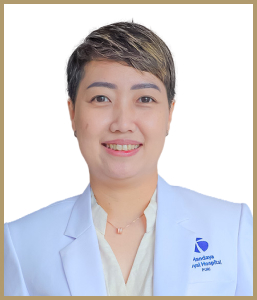
dr. Eugene Nathania, Sp.KFR is a Physical Medicine and Rehabilitation specialist who completed both her general medical and specialist education at the University of Indonesia.
She has competencies in various rehabilitation therapy methods, including obstetric rehabilitation, taping, manual therapy, and dry needling. In addition, dr. Eugene is experienced in managing musculoskeletal pain and helping patients regain mobility and body function after injuries or certain medical conditions.
dr. Eugene Nathania, Sp.KFR is available at Mandaya Royal Hospital Puri on:
- Monday: 8:00 AM – 2:00 PM WIB
- Tuesday: 8:00 AM – 2:00 PM WIB
- Wednesday: 8:00 AM – 2:00 PM WIB
- Thursday: 8:00 AM – 2:00 PM WIB
- Friday: 8:00 AM – 2:00 PM WIB
- Saturday: 8:00 AM – 2:00 PM WIB
4. dr. Johanes Putra, Sp.KFR

dr. Johanes Putra, Sp.KFR is a Physical Medicine and Rehabilitation specialist who completed his medical education at Atma Jaya University and continued his specialist training at the University of Indonesia.
He specializes in musculoskeletal rehabilitation, particularly for disorders involving muscles, bones, and joints. In addition, dr. Johanes is skilled in interventional pain management procedures to help relieve patients’ symptoms more effectively.
dr. Johanes Putra, Sp.KFR is available at Mandaya Royal Hospital Puri on:
- Monday: 2:30 PM – 8:00 PM WIB
- Tuesday: 2:30 PM – 8:00 PM WIB
- Wednesday: 2:30 PM – 8:00 PM WIB
- Thursday: 2:30 PM – 8:00 PM WIB
- Friday: 2:30 PM – 8:00 PM WIB
- Saturday: 8:00 AM – 2:00 PM WIB
At Mandaya Royal Hospital Puri, lymphedema treatment is carried out through a multidisciplinary approach supported by specialists from various fields, along with trained and experienced nurses dedicated to providing optimal care for lymphedema patients.
To make your visit easier, you can use the WhatsApp Chat feature, Book Appointment service, or the Care Dokter application available on Google Play and the App Store to manage appointments, view queue numbers, and access additional information.
The information available on this page is intended for educational and general informational purposes only and may not reflect the full scope of medical services provided by each doctor. To ensure appropriate treatment according to your condition, direct consultation with the relevant doctor is recommended.
If you have questions, suggestions, or require further information, please contact the call center at 0811-1900-2000.