

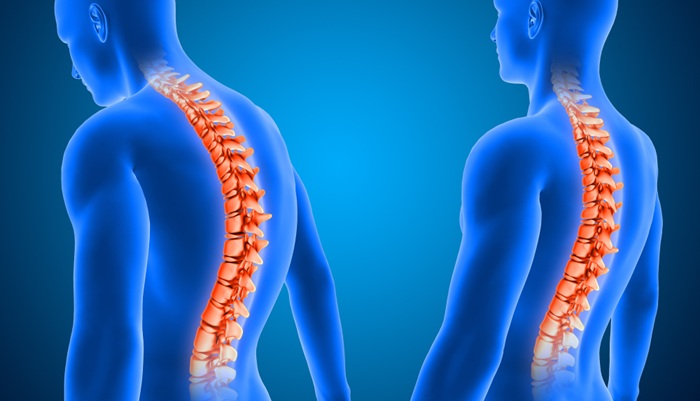
Scoliosis is a spinal condition that causes the spine to curve sideways, forming an “S” or “C” shape. This condition can occur in both children and adults, with varying levels of severity. Some common symptoms include uneven shoulders or hips, a protruding shoulder blade, and noticeable changes in posture. In some people, scoliosis can also cause discomfort or pain in the back area.
Back pain associated with scoliosis generally occurs because the curvature of the spine places additional pressure on the surrounding joints, muscles, and nerves. This condition may cause the muscles to work harder to maintain body balance, leading to muscle tension and pain. If not treated properly, scoliosis back pain can interfere with daily activities and reduce a patient’s quality of life.

Contents
Causes of Scoliosis Back Pain
Scoliosis can cause back pain, although in most cases the pain is usually mild. Only a small number of people with scoliosis experience severe back pain due to this condition.
Scoliosis back pain may occur because the spinal curvature places pressure on the spine and the surrounding joints. This condition can also cause pulling or irritation of the nerves and joints, leading to inflammation and pain. In addition, changes in posture caused by scoliosis may cause the muscles to become tense or easily fatigued, which eventually leads to back pain.
In adults, degenerative processes or wear and tear in the spine and joints can also worsen scoliosis-related back pain. However, studies show that the degree of spinal curvature does not always directly correlate with the level of pain experienced. Nevertheless, curvature in the lower back tends to cause pain more frequently than curvature in the upper spine.
Treatment for Scoliosis Back Pain
Scoliosis back pain can be treated with several methods, including:
- Medications: Doctors may prescribe pain relievers, such as nonsteroidal anti-inflammatory drugs (NSAIDs). Patients may also take over-the-counter pain medications available at pharmacies.
- Back brace: Wearing a back brace can help relieve pain by providing additional support to the spine.
- Spinal injections: Doctors may administer local anesthetic or steroid injections into the spine to help relieve pain.
- Physical therapy: Working with a physiotherapist and performing specific exercises can help reduce back pain and improve mobility.
- Surgery: In more severe cases, patients may require surgery to straighten the spine or reduce pressure on the nerves.
Ways to Prevent the Pain from Worsening
The following approaches may help reduce pain or prevent the condition from becoming more severe:
- Stretching exercises: A specialized stretching program for scoliosis can help relieve symptoms and improve mobility.
- Acupuncture: Acupuncture therapy may help manage chronic pain in some patients.
- Yoga: Yoga can help improve flexibility while also helping control chronic pain.
- Transcutaneous Electrical Nerve Stimulation (TENS): A TENS device works by sending small electrical impulses through electrodes attached to the skin. This therapy can help relieve pain caused by structural changes in the spine due to scoliosis.
Scoliosis Orthopedic Specialist at Mandaya Royal Hospital Puri, dr. Fachry Sp.OT(K)
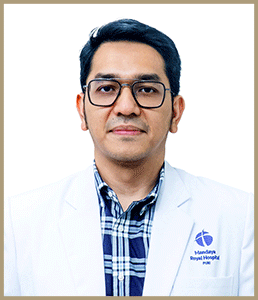
dr. Mohammad Fachry Lubis, Sp.OT(K) is an orthopedic specialist with a subspecialty in spine surgery. He has expertise in treating various spinal conditions, including scoliosis in children and herniated disc (pinched nerve) conditions.
He completed his medical degree at Universitas Sumatra Utara and later pursued orthopedic specialty training and obtained his spine consultant qualification from Universitas Indonesia. With this background, dr. Fachry has extensive experience in diagnosing and treating various spinal disorders.
In his practice, dr. Fachry provides consultation and treatment for a wide range of conditions, including spinal deformities, spinal injuries, and pinched nerves along the spine. He is also skilled in minimally invasive surgical techniques such as Biportal Endoscopic Spine Surgery (BESS) and Percutaneous Laser Disc Decompression (PLDD). These procedures are known for smaller surgical incisions, faster recovery time, and lower risk of complications compared to conventional surgery.
dr. Fachry’s Practice Schedule at Mandaya Royal Hospital Puri
dr. Mohammad Fachry Lubis, Sp.OT(K) is available at Mandaya Royal Hospital Puri on:
- Tuesday: 5:00 PM – 8:00 PM
- Thursday: 11:00 AM – 3:00 PM
- Friday: 2:00 PM – 4:00 PM
- Saturday: 2:00 PM – 4:00 PM
To make your visit to Mandaya Royal Hospital Puri easier, you can use the WhatsApp Chat feature, Book Appointment, or the Care Dokter application, which can be downloaded from Google Play and the App Store. These services help simplify appointment booking, check queue numbers, and access other important information.