


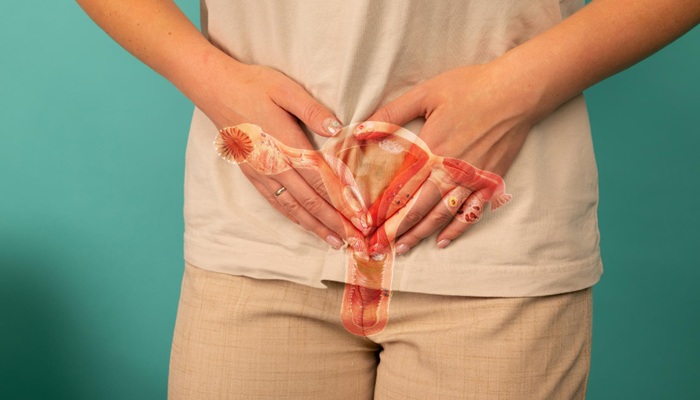
Endometriosis is a condition in which tissue similar to the lining of the uterus (endometrium) grows outside the uterus. In rarer cases, this tissue can grow in the abdominal wall, a condition known as abdominal wall endometriosis (AWE). This abnormal tissue growth may cause symptoms such as abdominal pain, swelling, or a noticeable lump that becomes more painful, especially during menstruation.
Treatment for abdominal wall endometriosis generally involves surgery. However, Mandaya Royal Puri Hospital now offers High-Intensity Focused Ultrasound (HIFU) technology to treat this condition without open surgery or incisions.

Contents
What are the symptoms of abdominal wall endometriosis?
Some people with abdominal wall endometriosis may not experience any symptoms at all. However, when symptoms occur, they may include:
- Swelling, tenderness, or bruising in the abdominal area
- Abdominal or pelvic pain, particularly during menstruation
- A noticeable lump or mass in the abdomen
Read also: The Role of HIFU in Treating Abdominal Wall Endometriosis at Mandaya Royal Puri Hospital
Causes of abdominal wall endometriosis
Endometriosis is considered an idiopathic disease, meaning its exact cause is not fully known. The same applies to abdominal wall endometriosis.
However, experts have proposed several theories regarding how this condition may develop.
1. History of abdominal or uterine surgery
Abdominal wall endometriosis is more commonly found in individuals who have previously undergone surgery in the abdominal area, particularly gynecological or obstetric procedures such as a cesarean section.
Several studies have shown that many patients diagnosed with abdominal wall endometriosis had a history of surgery in the same area. This suggests that during surgery, endometrial tissue may unintentionally be transferred and implanted into the abdominal wall, where it later grows.
2. Retrograde menstruation
Another theory suggests that endometriosis may occur due to the backward flow of menstrual blood through the fallopian tubes, a condition known as retrograde menstruation.
In this situation, menstrual blood containing endometrial cells flows back into the pelvic cavity. These cells may then attach and grow in various areas, such as:
- Pelvic wall
- Intestines
- Rectum
- Ovaries
- Abdominal wall
If the tissue continues to grow in these areas, it may develop into endometriosis, including abdominal wall endometriosis.
How is abdominal wall endometriosis diagnosed?
Abdominal wall endometriosis is typically diagnosed through a laparoscopic biopsy, a minimally invasive surgical procedure used to collect a sample of tissue suspected to be endometriosis. The tissue sample is then examined in a laboratory to confirm the diagnosis.
However, because this procedure still involves surgery, doctors today may also rely on symptom tracking and medical imaging tests, such as ultrasound, MRI, or CT scans. These examinations can help detect the possibility of abdominal wall endometriosis without immediately performing surgery.
How is abdominal wall endometriosis treated?
Currently, there is no treatment that can completely cure endometriosis. However, the condition can be managed with various treatment approaches.
One of the most effective options is excision surgery, a procedure that removes endometriosis tissue along with a small margin of surrounding tissue to ensure the abnormal tissue is completely removed.
In addition to surgery, treatment may also include supportive therapies such as pelvic floor therapy, acupuncture, chronic pain management, and dietary adjustments. In some cases, doctors may also prescribe medications such as hormonal contraceptives or nonsteroidal anti-inflammatory drugs (NSAIDs) to help relieve pain and reduce inflammation.
Non-surgical treatment for abdominal wall endometriosis with HIFU at Mandaya Royal Puri Hospital
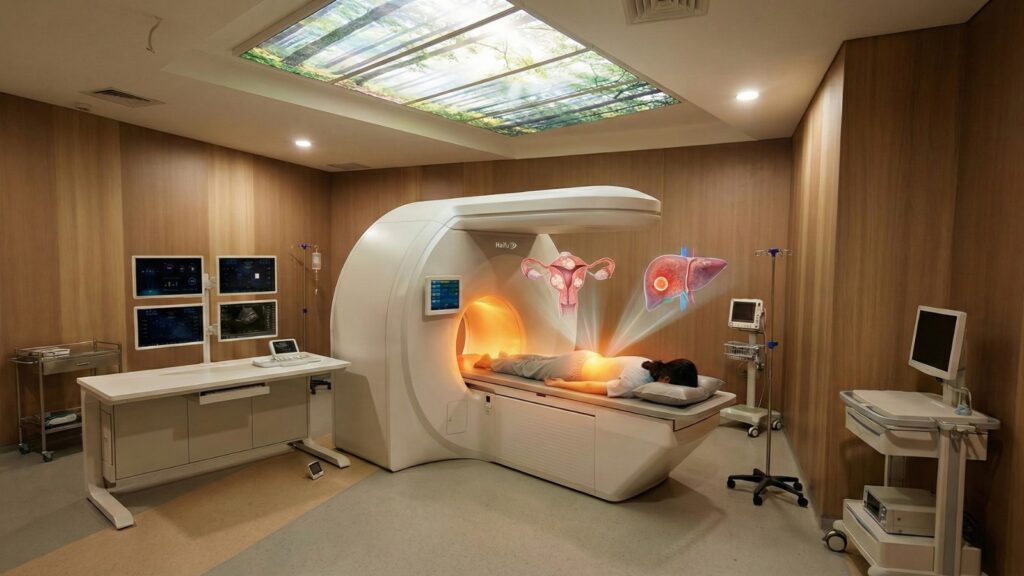
High-Intensity Focused Ultrasound (HIFU) is a non-invasive treatment method that uses high-intensity ultrasound waves to precisely target specific tissues inside the body. The ultrasound energy generates heat that destroys abnormal tissue through a process known as coagulative necrosis, while minimizing damage to surrounding healthy tissue.
In recent years, HIFU technology has increasingly been used to treat various gynecological conditions, including uterine fibroids and endometriosis. This method allows doctors to target abnormal tissue with high precision without the need for open surgery. Because it does not involve incisions, HIFU therapy may also help reduce tissue trauma and support faster recovery.
Abdominal wall endometriosis cases that may be suitable for HIFU treatment
- Abdominal wall endometriosis that has been diagnosed through ultrasound or MRI examinations
- Patients who are able to communicate well with doctors and nurses during the procedure
- Patients who have not undergone abdominal wall surgery within the last 3 months, especially procedures such as liposuction
- Patients without severe underlying conditions such as heart disease, severe hypertension, or uncontrolled diabetes
- Patients who are able to lie in a prone position for approximately 2–3 hours during the procedure
It is important to note that the criteria above serve only as general guidelines. The final decision regarding whether a patient is suitable for HIFU therapy must be determined by a HIFU specialist doctor after a thorough evaluation and diagnosis.
Advantages of HIFU therapy
HIFU offers several advantages compared to more invasive treatment methods, including:
- No surgery required, which generally allows for faster recovery
- The procedure is performed with light sedation, without the need for general anesthesia
- Highly precise ablation, helping protect surrounding healthy tissue
- Lower risk of complications compared to more invasive surgical procedures
To make your visit more convenient, you can use the Chat via WhatsApp, Book Appointment, or the Care Dokter application, available on Google Play and App Store, to schedule visits, check queue numbers, and access other information.