


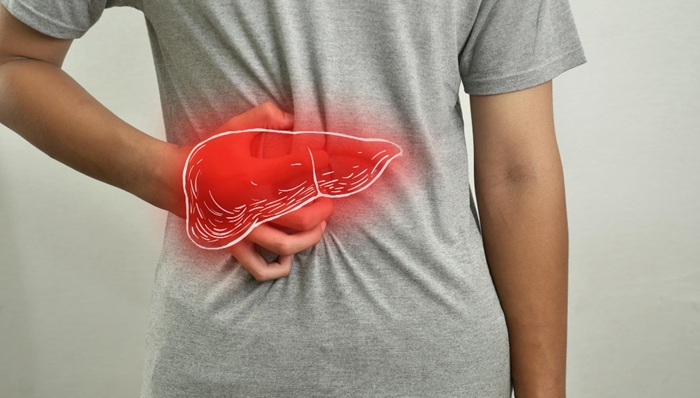
Liver cancer is a type of cancer that develops in liver tissue and can be aggressive if not treated appropriately. With advances in medical technology, treatment options for liver cancer have become increasingly diverse and do not always require surgery. In addition to Transarterial Chemoembolization (TACE), one of the modern treatment options available is SIRT Y-90 (Selective Internal Radiation Therapy), a minimally invasive therapy that utilizes targeted radiation to precisely destroy cancer cells. At Mandaya Royal Puri Hospital, SIRT Y-90 liver cancer therapy is performed by an experienced interventional radiology consultant specialist, dr. Sugianto Santoso, Sp.Rad (K)RI.
SIRT Y-90 works by delivering radiation therapy directly to liver tumors through the blood vessels, maximizing cancer cell destruction while preserving healthy liver tissue. This minimally invasive procedure offers shorter recovery times and can be combined with other cancer treatments for optimal results. These advantages make SIRT Y-90 a promising therapeutic option to help control disease progression and improve the quality of life for liver cancer patients.

Contents
Understanding SIRT Y-90 for Liver Cancer at Mandaya Royal Puri Hospital
SIRT Y-90 is a form of radiation therapy used to treat liver cancer. The term “Y-90” refers to a radioactive substance called Yttrium-90 used in this procedure.
During the treatment, physicians insert microscopic beads containing Y-90 into the blood vessels that supply the tumor in the liver. Once the beads reach the tumor tissue, they release high-dose radiation that destroys cancer cells while sparing the surrounding healthy liver tissue.
This therapy is effective in shrinking tumors. By controlling tumor growth, SIRT Y-90 helps patients live longer, experience fewer symptoms, and maintain a better quality of life.
Who Is a Candidate for SIRT Y-90 Therapy?
Patients may be candidates for Y-90 therapy if they have cancer originating in the liver (primary liver cancer) or cancer that has spread to the liver from other organs (metastatic liver cancer).
Y-90 therapy is generally recommended when surgery is not feasible. In some cases, tumors are located too close to major blood vessels, making surgical removal risky due to the potential for severe liver damage. In such situations, Y-90 therapy can help slow tumor growth while preserving liver function.
In certain cases, undergoing Y-90 therapy as an initial treatment may also open opportunities for future curative treatments, such as surgery or liver transplantation.
SIRT Y-90 Therapy Procedure for Liver Cancer
Y-90 therapy consists of two main stages: a mapping angiogram and the Y-90 infusion. These procedures are typically performed approximately two weeks apart. The entire treatment process is carried out by a medical team led by an interventional radiology specialist, using imaging guidance to ensure procedural accuracy.
1. Mapping Angiogram
An angiogram is an imaging examination used to visualize the network of blood vessels supplying blood to the tumor. This information helps physicians map the pathway through which the Y-90 microspheres will be delivered during infusion.
During this procedure, the patient lies on a procedure table while the physician performs the following steps:
- Making a small incision in the groin or wrist area to access the main blood vessel leading to the tumor. Local anesthesia is administered to numb the area and prevent pain, and sedative medication may be given to help the patient relax.
- Inserting a small plastic tube (catheter) into the blood vessel. The catheter’s position is monitored through imaging screens to ensure precise navigation.
- Injecting a safe contrast agent through the catheter to clearly visualize the blood vessels supplying the tumor, allowing accurate mapping of the Y-90 infusion route.
- Removing the catheter after the procedure and covering the incision with a bandage to stop bleeding. Due to the small incision, stitches are not required and scarring is minimal.
The mapping angiogram procedure typically takes about 2–4 hours.
2. Y-90 Infusion Procedure
The mapping angiogram can be considered a simulation prior to the main treatment. During the Y-90 infusion stage, the procedure is performed with similar preparation, but this time the physician injects Y-90 microspheres into the blood vessels that have been mapped.
During the procedure, millions of tiny radioactive beads made of glass or plastic flow through the blood vessels until they reach the tumor. Once concentrated within the tumor area, these beads block blood flow to the cancer tissue while simultaneously releasing high-dose radiation over a very short distance. This approach allows maximum damage to be focused on the tumor while protecting the surrounding healthy tissue.
The Y-90 infusion stage generally takes about 1–2 hours. Approximately 90% of the radiation is released within 10 days after the procedure, after which the radiation gradually diminishes. The decayed microspheres remain safe and do not pose a risk to the patient’s body.
Advantages of SIRT Y-90 Therapy for Liver Cancer Treatment
1. Targeted Therapy
Radioembolization delivers radiation therapy directly to liver tumors, maximizing cancer cell destruction while preserving healthy liver tissue. This targeted approach can result in improved treatment outcomes and enhanced patient quality of life.
2. Minimally Invasive
Radioembolization is a minimally invasive procedure that typically requires only a small incision and local anesthesia. This method helps reduce pain, shorten recovery time, and lower the risk of complications compared to conventional surgery.
3. Can Be Combined with Other Treatments
SIRT Y-90 therapy can be used in combination with other cancer treatments, such as chemotherapy or targeted therapy, providing a more comprehensive and integrated approach to cancer care.
4. Potential to Prolong Survival
Several studies indicate that radioembolization may improve survival rates and disease control in certain patients with liver cancer or metastatic liver tumors, particularly when combined with other treatment modalities.
SIRT Y-90 Therapy at Mandaya Royal Puri Hospital, Performed by an Expert Specialist

Dr. Sugi is a radiology specialist with a subspecialty in interventional radiology who has extensive experience in performing various minimally invasive medical procedures using advanced imaging technology. He completed his general medical education at Maranatha Christian University, Bandung, and continued his radiology specialty training at the University of Indonesia.
As an interventional radiologist, dr. Sugianto Santoso manages a wide range of complex medical conditions without the need for open surgery, including liver cancer and other advanced diseases. His areas of expertise include:
- Radiofrequency Ablation (RFA) for thyroid nodules
- Microwave Ablation (MWA) for tumors and liver cancer
- Transarterial Chemoembolization (TACE) for liver cancer treatment
- Cryoablation for nodules and tumors
- Digital Subtraction Angiography (DSA) for diagnosis and treatment of brain aneurysms
- Brain aneurysm management using coiling, flow diverters, and stent placement
Supported by state-of-the-art medical technology and high-level expertise in minimally invasive procedures, dr. Sugi provides safer, more precise, and more effective liver cancer treatment options at Mandaya Royal Puri Hospital, including SIRT Y-90 and other interventional therapies.
dr. Sugianto Santoso, Sp.Rad (K)RI is available at Mandaya Royal Puri Hospital on:
- Tuesday: 16.00 – 20.00 WIB
- Thursday: 16.00 – 20.00 WIB
To make your visit more convenient, use the Chat feature via WhatsApp, Book Appointment, or the Care Dokter application available for download on Google Play and the App Store to manage appointments, check queue numbers, and access complete information.