


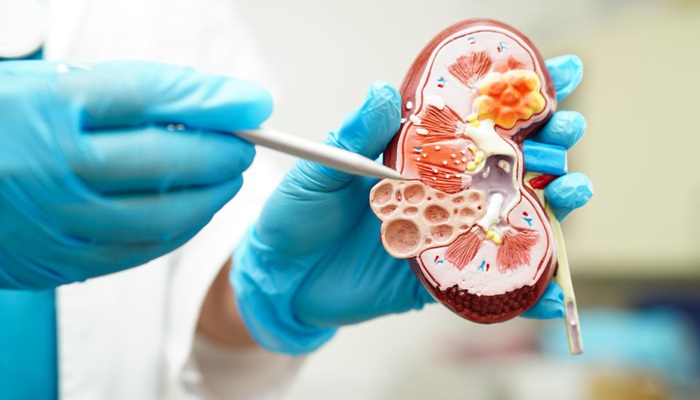
Preparation before undergoing a kidney transplant, whether as a donor or a recipient, plays a crucial role in determining the success of the procedure. All prospective donors and recipients are required to undergo comprehensive medical evaluations, laboratory tests, and fulfill administrative requirements in accordance with established medical standards.
In addition to physical readiness, mental preparation, understanding the transplant process, potential risks, and post-operative care are equally important. By thoroughly understanding each stage, both donors and recipients can prepare themselves better and increase the chances of a successful kidney transplant.

Contents
Preparation for kidney transplant donors and recipients
A. Preparation to become a kidney donor
Below are several important points to consider before becoming a kidney donor:
-
Quit smoking
Prospective donors are advised to stop smoking, even if they are light smokers. Smoking can increase the risk of heart and lung complications during and after surgery.
-
Stop consuming alcohol
Alcohol consumption should be discontinued before surgery. For donors with a history of heavy alcohol use, it is important to inform the doctor. After surgery, alcohol may only be consumed again with approval from the transplant team.
-
Avoid certain medications
Avoid using aspirin or nonsteroidal anti-inflammatory drugs (NSAIDs) for at least seven days before surgery, as these medications can increase the risk of bleeding.
For women taking oral contraceptive pills, discontinuation is recommended approximately 30 days before surgery to reduce the risk of postoperative blood clots. Other routine medications may still be taken according to the doctor’s instructions.
-
Maintain fitness with regular exercise
Light physical activities such as regular walking can help speed up recovery after surgery. Ensure that the type and intensity of exercise are performed according to the doctor’s recommendations.
-
Pay attention to diet and follow medical instructions
One day before surgery, prospective donors are advised to consume light meals until midday, then switch to clear liquids. Clear liquids are still allowed up to two hours before arriving at the hospital on the day of surgery.
Avoid solid foods and thick liquids after midday before surgery. Ensure normal bowel movements on the night or morning before the procedure. If constipation occurs, a clear liquid diet and laxatives may be used as recommended by the doctor.
B. Preparation to become a kidney transplant recipient
Below are several important preparations for prospective kidney recipients:
-
Maintain optimal health condition
Prior to kidney transplant surgery, recipients are advised to keep their body in the best possible condition by stopping smoking and alcohol consumption, and adopting a healthy diet. Good physical condition greatly affects postoperative recovery.
-
Stay physically active
Engaging in light physical activity while waiting for surgery can help speed up recovery and reduce anxiety. Consult the transplant team regarding safe types of exercise before transplantation.
-
Maintain communication with the medical team
Any changes in physical or mental health conditions should be recorded and reported to the doctor or transplant team. This information is important to adjust the treatment plan or postpone surgery if necessary.
-
Manage stress and anxiety
Feeling anxious before surgery is normal. Sharing concerns with family, friends, or patient support communities can help reduce mental burden. Engaging in enjoyable activities, relaxation exercises, meditation, and seeking information from reliable sources about kidney transplantation can also help calm the mind.
Kidney transplant services at RS Mandaya Royal Puri
RS Mandaya Royal Puri provides modern medical facilities to support the success of kidney transplantation. The hospital features dedicated operating rooms for donors and recipients located side by side, allowing faster organ transfer and maintaining optimal kidney quality.
Each operating room is equipped with advanced sterilization systems, positive-pressure air filtration (HEPA filters), and comprehensive monitoring equipment to minimize infection risk and enhance procedural safety.
RS Mandaya Royal Puri also utilizes Laparoscopic Kidney Ultrasound technology, a real-time imaging system that enables minimally invasive kidney surgery with high precision. This technology helps reduce bleeding, shorten surgical time, and accelerate patient recovery.
To ensure patient stability during surgery, the hospital is equipped with the Hemosphere Advance Hemodynamic Monitor, which monitors blood pressure, blood flow, and heart function in real time. With this technology, the medical team can make quick and accurate decisions throughout the procedure.
To make your visit easier, you can use the WhatsApp Chat feature, Book Appointment, or the Care Dokter app, available on Google Play and the App Store, to manage appointments, check queue numbers, and access complete information.