



Osteoarthritis is a degenerative joint condition characterized by gradual inflammation and damage to the cartilage. It commonly affects the knees, hips, hands, and spine, and is marked by symptoms such as joint pain, morning stiffness, swelling, and reduced mobility. While osteoarthritis cannot be completely cured, its symptoms can be managed so patients can continue daily activities comfortably. One of the most effective ways to ease these symptoms is through the right osteoarthritis medication.

There are various osteoarthritis medications that doctors may prescribe depending on the severity of the condition and each patient’s needs. These include pain relievers, anti-inflammatory drugs, and additional therapies that help maintain joint function. With proper medication selection, patients can achieve better symptom control and an improved quality of life.
Contents
Types of Osteoarthritis Medications
Here are several types of osteoarthritis medications commonly recommended by doctors:
1. Analgesics
Analgesics help relieve pain but do not reduce inflammation. They work by altering how the body perceives pain. Common options include acetaminophen, tramadol, and prescription opioids containing hydrocodone or oxycodone. However, opioids are generally avoided due to their risk of dependence.
The maximum daily dose of acetaminophen is 4,000 mg for individuals without liver disease. Excessive intake can cause liver damage and may even be fatal.
2. Nonsteroidal Anti-inflammatory Drugs (NSAIDs)
NSAIDs reduce both inflammation and pain, making them one of the most commonly prescribed medications for arthritis. Examples include aspirin, celecoxib, ibuprofen, and naproxen. These medications are typically taken orally but may cause stomach irritation or bleeding. Celecoxib, a COX-2 inhibitor, is generally gentler on the stomach. Some NSAIDs are also available as topical creams (e.g., Aspercreme).
Note that certain NSAIDs can increase the risk of heart disease or stroke and are not recommended for individuals with heart, liver, or kidney problems. NSAIDs are non-narcotic and do not cause addiction.
3. Counterirritants
Counterirritants come in the form of creams or ointments containing ingredients like menthol or capsaicin. When applied to painful joints, they help block pain signals before they reach the brain.
4. Glucosamine and Chondroitin
These are oral dietary supplements sold over the counter. Research has shown mixed results, meaning their effectiveness varies between individuals. Some patients experience benefits, while others notice no improvement.
5. Corticosteroids
Corticosteroids, such as cortisone and prednisone, are powerful medications that help reduce swelling and suppress immune activity. Doctors may prescribe them orally or administer steroid injections directly into painful joints. The effects typically begin within a few days and can last up to two months.
Doctors recommend limiting steroid injections to no more than three times per year and avoiding long-term use, as excessive injections may weaken surrounding bone and accelerate cartilage damage.
6. Hyaluronic Acid
Hyaluronic acid is a natural component of joint fluid that acts as a lubricant. In patients with arthritis, this substance tends to decrease, so doctors may inject hyaluronic acid to reduce joint friction—particularly in the knees. This therapy is often recommended for patients who cannot use NSAIDs.
However, pain relief usually appears after about five weeks, unlike corticosteroids, which work faster. Additionally, not all patients respond well to this treatment, and it can be relatively costly. Consult your doctor to determine whether this therapy is suitable for your condition.
Before trying any of the medications above, consult with your doctor to ensure appropriate dosage and usage instructions.
Osteoarthritis Treatment at Mandaya Royal Hospital Puri
Mandaya Royal Hospital Puri offers a variety of osteoarthritis treatments, including:
1. Secretome Injection for Knee Pain Relief
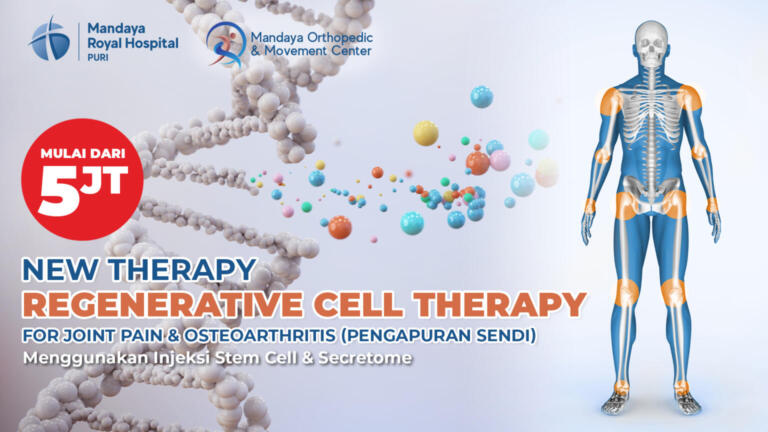
For mild joint degeneration or inflammation, secretome injection therapy can help relieve knee pain. Secretome is a collection of active molecules produced by stem cells that support tissue regeneration.
The procedure involves injecting secretome directly into the degenerated knee joint. The dosage is tailored to each patient’s condition and treatment goals.
2. Knee Gel Injection with Hyaluronic Acid
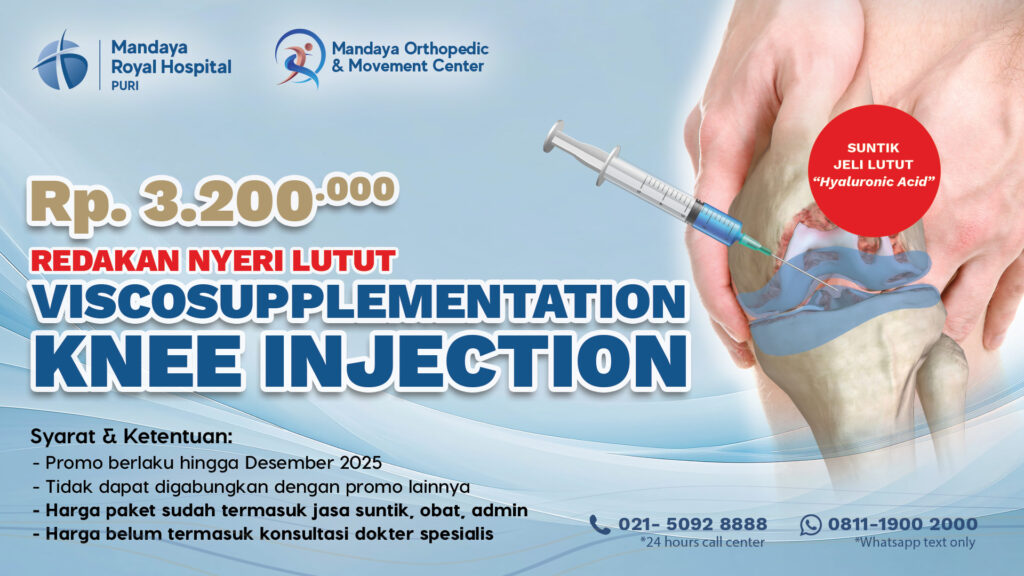
Knee gel injection is a procedure used to reduce pain caused by osteoarthritis. It involves injecting hyaluronic acid into the knee joint. Hyaluronic acid naturally acts as a lubricant and shock absorber. By increasing its levels in a degenerated joint, the knee can move more comfortably.
The benefits of knee gel injections may last 6–12 months, depending on disease severity, weight, and daily activity level.
3. Robotic-Assisted Knee Replacement Surgery Using the CORI System

Knee replacement surgery is now more precise with CORI, a next-generation robotic navigation system. The CORI robot scans the patient’s knee in real time in 3D during surgery—without the need for a CT scan.
With superior accuracy, this technology helps surgeons position knee implants optimally based on each patient’s anatomy. This results in fewer complications, faster recovery, and better comfort compared to conventional methods.
Osteoarthritis Specialist Team at Mandaya Royal Hospital Puri
Mandaya Royal Hospital Puri is supported by a team of experienced orthopedic hip & knee consultants specialized in managing joint disorders, including osteoarthritis. When needed, surgeons can also perform UKA or TKR knee replacement procedures using the CORI robotic technology for enhanced precision.
1. Dr. Ardi Setiawan, Sp.OT (K) Hip & Knee
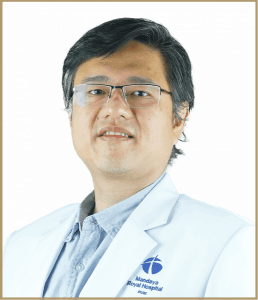
Dr. Ardi is an orthopedic specialist focusing on knee and hip disorders. He completed his general medical and orthopedic training at Universitas Padjadjaran and advanced his expertise through further training in Adult Reconstruction, Trauma, and Sports Injuries (K-Hip & Knee).
He handles various orthopedic procedures, including knee injuries, ACL tears, arthroscopy, joint lubrication injections, meniscus surgery, and knee replacement (both TKR and UKA).
Practice schedule:
- Monday: 15:00 – 18:00 WIB
- Tuesday: 15:00 – 17:00 WIB
- Friday: 14:00 – 17:00 WIB
2. Dr. Paulus Ronald Hibono, Sp.OT (K) Hip & Knee

Dr. Paulus is a hip and knee subspecialist with extensive experience in robotic CORI knee replacement. He also treats ACL injuries, knee cysts, osteoarthritis, meniscus tears via arthroscopy, and various fractures.
He is the only Indonesian doctor selected as a delegate for the CORI Robotic Summit in Germany, making him one of the internationally recognized robotic knee surgery experts.
Practice schedule:
- Monday: 08:00 – 13:00 WIB
- Tuesday: 17:00 – 20:00 WIB
- Wednesday: 14:00 – 17:00 WIB
- Thursday: 14:00 – 17:00 WIB
- Friday: 14:00 – 20:00 WIB
- Saturday: 08:00 – 14:00 WIB
3. Dr. Rahendra Pratama, Sp.OT (K) Hip & Knee

Dr. Rahendra is an orthopedic specialist with a subspecialty in hip and knee surgery. He completed his general medical degree at Universitas Trisakti and his orthopedic residency at Universitas Gadjah Mada.
He is experienced in managing osteoarthritis, knee cysts, pinched nerves, TKR & UKA procedures, meniscus arthroscopy, ACL injuries, and fractures.
Practice schedule:
- Wednesday: 10:00 – 12:00 WIB
- Friday: 09:00 – 11:00 WIB
4. Dr. William Chandra, Sp.OT (K) Hip & Knee
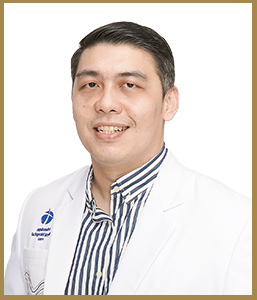
Dr. William is a hip and knee orthopedic consultant who treats various joint disorders, including osteoarthritis, knee cysts, pinched nerves, ACL injuries, and knee replacement procedures (TKR & UKA).
In addition to his training in Indonesia, he completed an international fellowship in Sports and Adult Reconstruction at Kreisklinikum Siegen, Germany, further strengthening his expertise in complex cases.
Practice schedule:
- Monday: 16:00 – 19:00 WIB
- Thursday: 16:00 – 19:00 WIB
To make your visit to Mandaya Royal Hospital Puri easier, use our WhatsApp Chat, Book Appointment feature, or the Care Dokter app—available on Google Play and the App Store—to check queue numbers, schedule visits, and access complete information.